
Somewhere in Charleston, South Carolina, two moms looked at their beach bags and decided they'd had enough.
Enough sand.
Enough wet towels.
Enough soggy bags.
Enough trying to open a bag while carrying approximately seventeen things and keeping track of children who suddenly have urgent plans to run toward the ocean.
And instead of accepting that this was simply part of going to the beach, they decided to build something better.
Meet WODA Bag, created by Britt Gardner and Erin Jewett.
One a civil engineer.
The other a registered nurse.
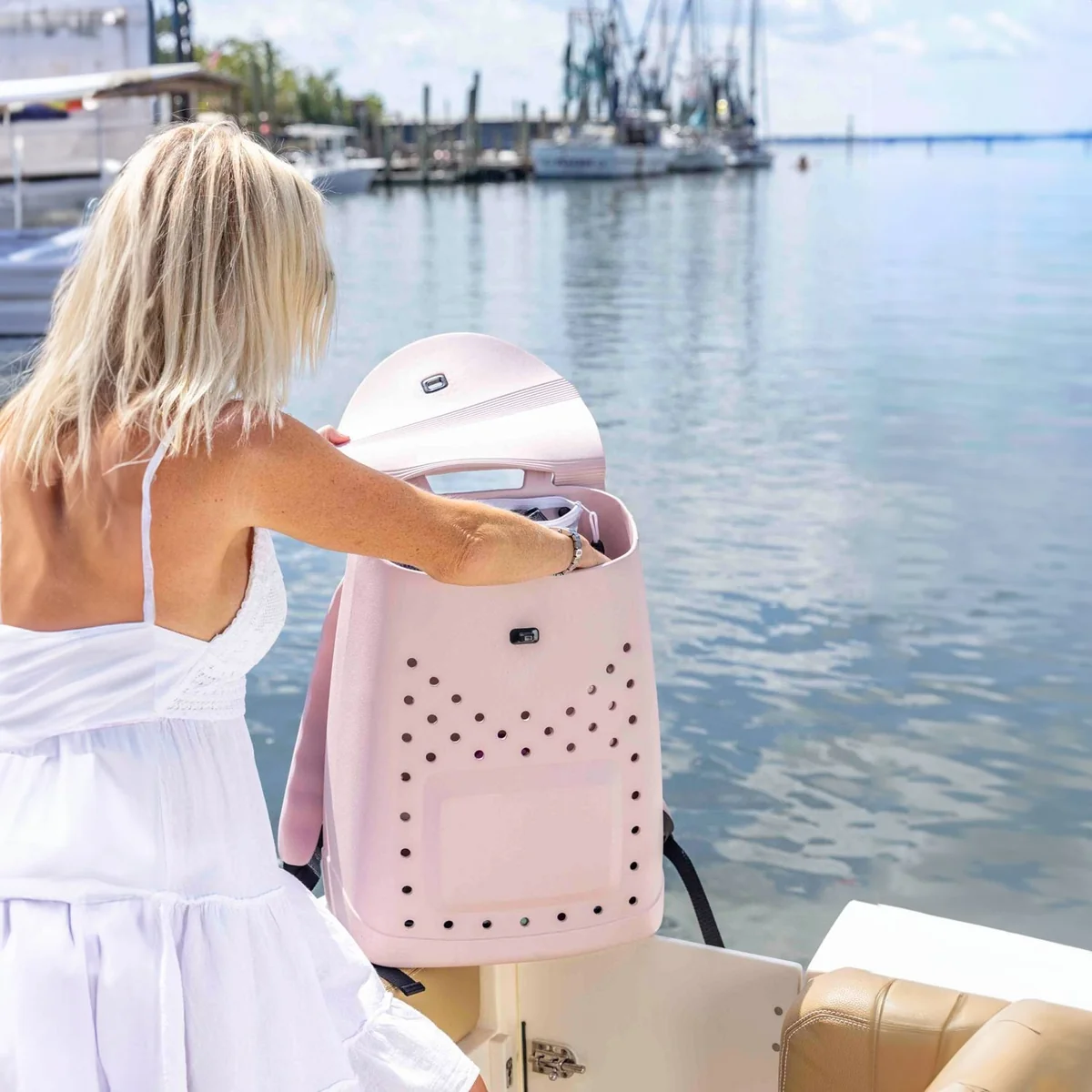
And together they designed a beach backpack that stands upright, dries quickly, can be rinsed clean, and has a handle that keeps the top open while you're loading it.
That last detail?
I absolutely love it.
Because it solves the kind of irritation most customers have stopped bothering to complain about.
The Bag Wasn't Broken. The Experience Was.
Think about the average beach trip.
You've got towels.
Sunscreen.
Snacks.
Water bottles.
Wet swimsuits.
Sand that somehow gets into places sand has absolutely no business being.
And then you've got the bag.
The bag that falls over when you put it down.
The bag you need three hands to load.
The bag that absorbs water.
The bag that comes home carrying half the beach.
Eventually, you stop complaining.
You just assume that's what beach bags do.
And that's where the opportunity was hiding.
Because customers don't always tell companies about problems they've learned to live with.
Sometimes they don't even think of them as problems anymore.
They're just part of the experience.
Until somebody builds something better.
Two Moms Asked a Very Expensive Question
"What if it didn't have to work like that?"
That's the question behind a lot of clever businesses.
WODA's founders wanted something hands-free, sturdy, comfortable, and easy to clean.
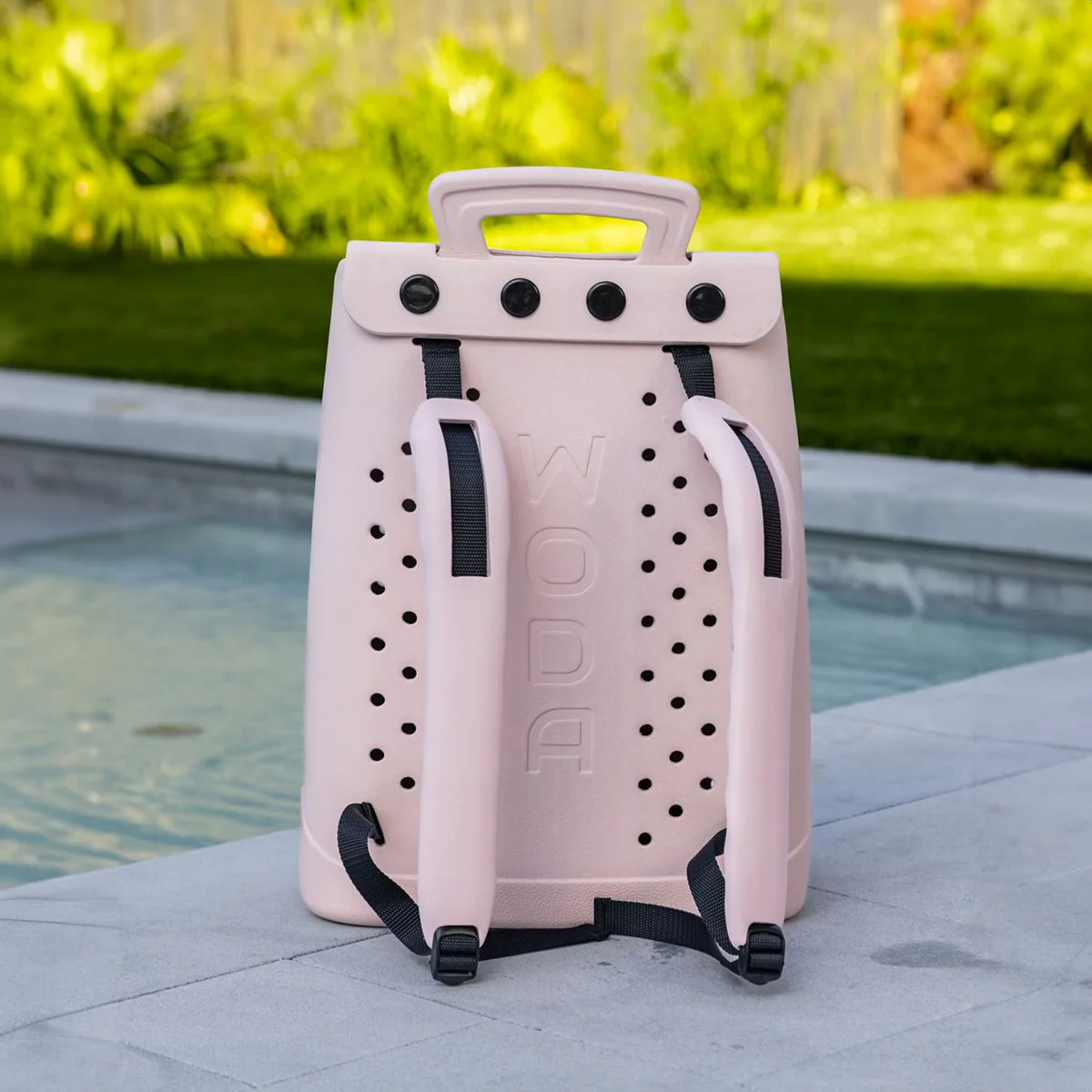
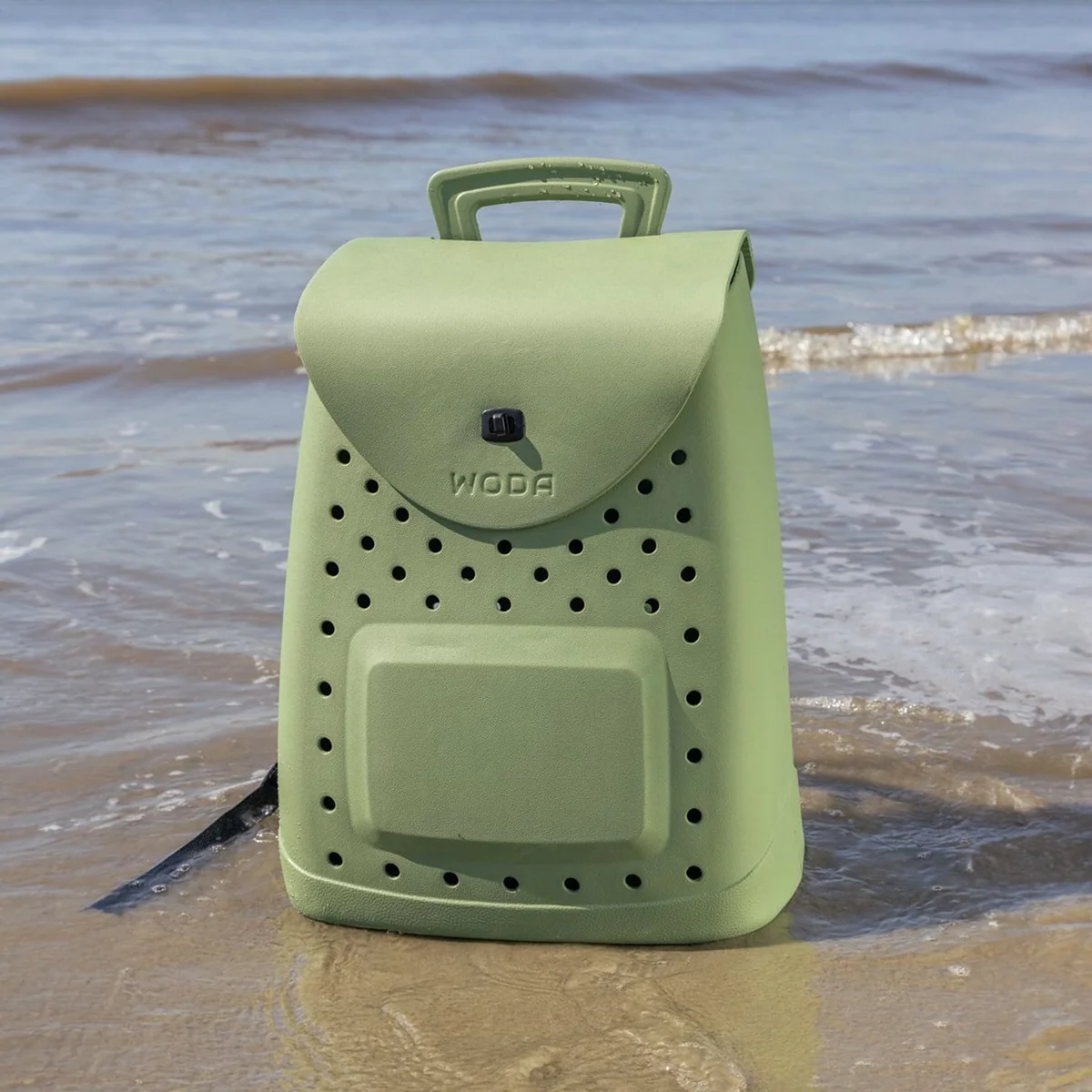
So they designed a backpack using flexible EVA foam.
It stands upright on its own.
It has ventilation holes and a quick-drying construction.
There's a lockable top, adjustable straps, and a removable interior pouch for smaller belongings.
And here's my favorite detail.
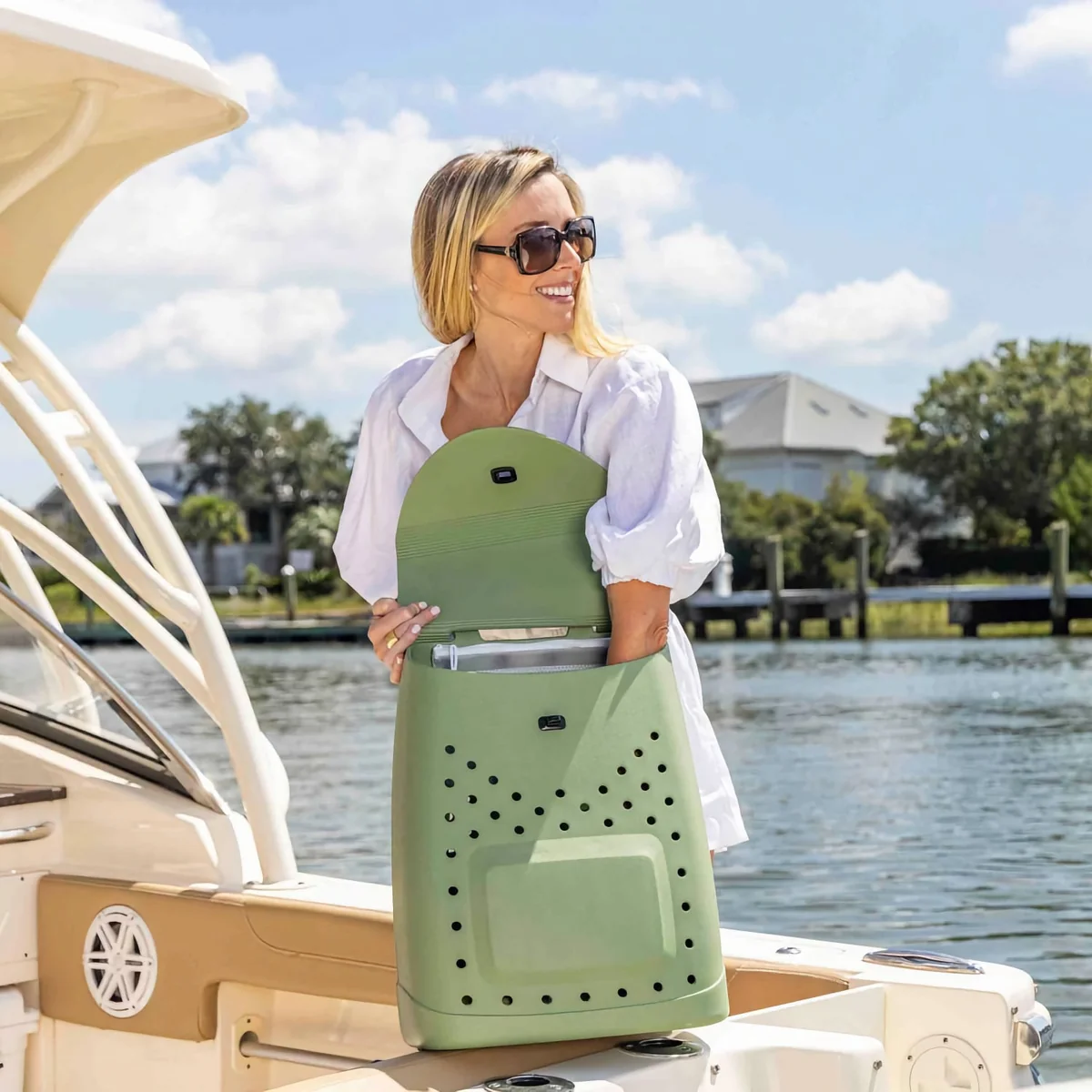
The handle can be pulled partway through to hold the cover open.
Imagine that.
A bag that cooperates while you're putting things inside it.
What a concept.
I'm looking at you, every bag that has ever folded itself shut while I was trying to find my keys.
That Little Handle Is a Bigger Deal Than It Looks
Here's why I keep coming back to the handle.
It's not the kind of feature most companies would put on a giant billboard.
You're probably not going to see a Super Bowl commercial announcing that a bag stays open while you pack it.
But if you've ever tried to load a floppy bag while holding a wet towel and a child's snack, you understand immediately.
It's a very specific solution to a very familiar frustration.
And that's where smart product innovation often begins.
Not with a dramatic invention.
With somebody noticing a moment that could work better.
When you solve several of those moments in one product, the entire experience starts to feel different.
The customer isn't just buying a bag.
They're buying a little less aggravation.
And I think there are quite a few businesses that could make money by offering people exactly that.
They Didn't Get There Overnight
According to the founders, the development process involved years of prototypes and finding a manufacturer capable of producing their design.
The unusual shape and construction created challenges.
They had to find a way to make the bag practical, durable, and manufacturable.
In 2024, the company received a utility patent for its design.
And the product has grown beyond its original beach use.
Customers have found reasons to use it for other outdoor activities, too.
Which makes sense.
Once you've built something that handles water, dirt, and general chaos, beachgoers aren't the only people who might find it useful.
Here's Where I'd Pay Attention If I Were a Founder
1. Listen for what customers have stopped complaining about.
Everybody asks customers what they dislike.
But what about the things they've accepted?
The awkward process.
The confusing instructions.
The extra steps.
The little inconveniences people assume are unavoidable.
Those can be valuable opportunities.
2. Watch what customers do, not just what they say.
If someone has developed a strange workaround to use your product, pay attention.
Why do they need it?
What problem are they solving for themselves?
Could your business remove that extra work?
3. Don't underestimate small improvements.
Sometimes the most valuable feature isn't the most impressive-looking one.
It's the one that makes customers say, "FINALLY."
A simpler checkout.
A better handle.
An easier return process.
Instructions that make sense the first time.
There's real value in removing friction.
4. Solve the whole problem, not just the most obvious part.
WODA wasn't designed around one feature.
Its founders considered what actually happens during a day around water.
Carrying things.
Loading things.
Getting everything wet.
Cleaning up afterward.
The result addresses several connected frustrations.
That's what makes the thinking interesting.
Now, About Your Business...
I want you to think about the things your customers have become very good at tolerating.
What are they doing the hard way because nobody has given them another option?
Are they filling out unnecessary forms?
Calling twice to get an answer?
Trying to understand confusing pricing?
Working around a product limitation everybody considers normal?
Because the next opportunity in your business might not require inventing something completely new.
It might require noticing something everybody else has stopped questioning.
Britt and Erin didn't need to invent the beach.
Or the backpack.
They just looked at the experience and decided it could work a whole lot better.
And I particularly appreciate the fact that they gave us a bag that stands up straight and stays open when we're trying to pack it.
If somebody could now invent a handbag that stops hiding my keys, I'd appreciate that too.