
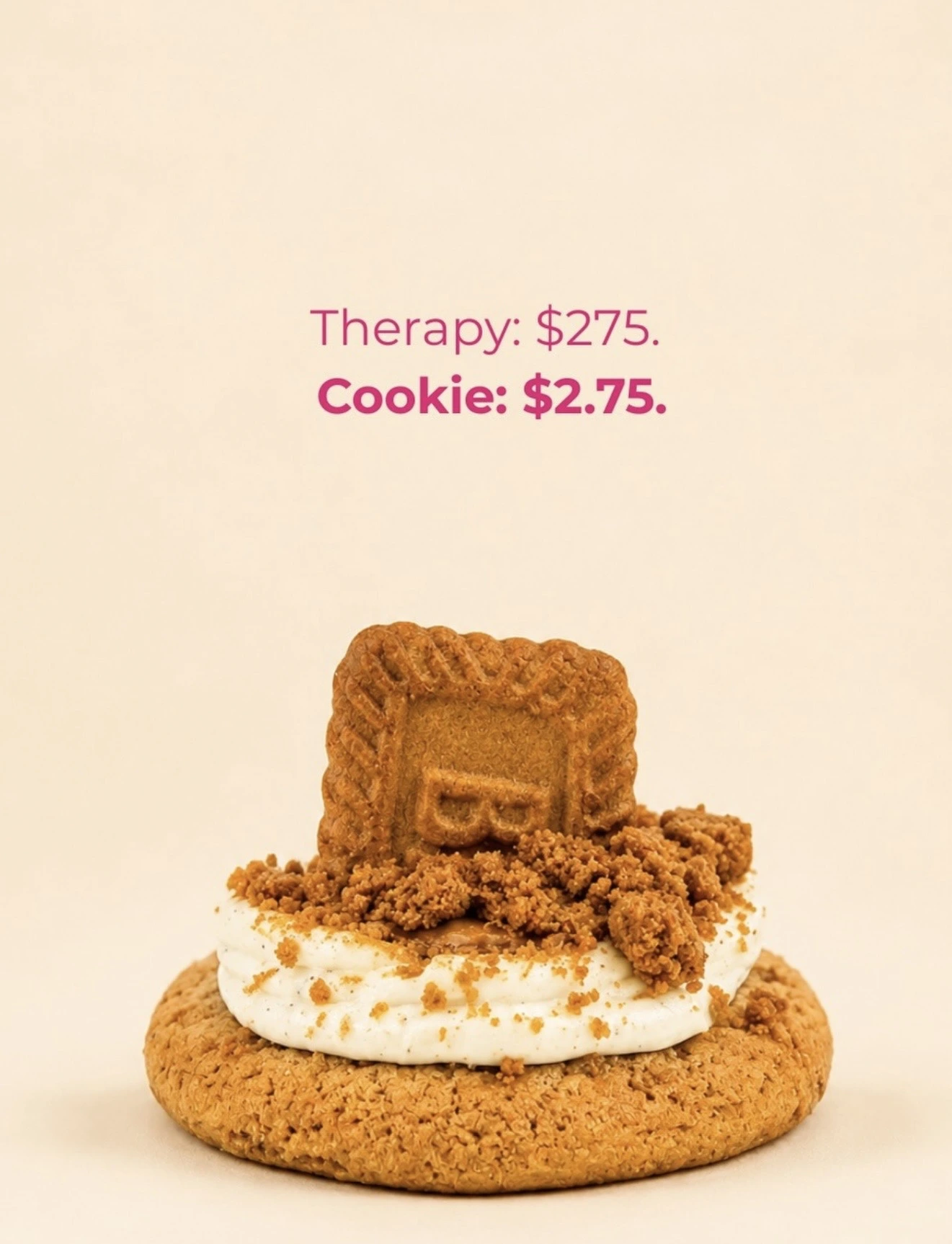
There's a particular kind of day when you don't need advice.
You don't need another motivational podcast.
You don't need somebody telling you to drink more water and get eight hours of sleep.
You need a cookie.
Preferably a really good one.
And preferably without having to explain yourself to anybody.
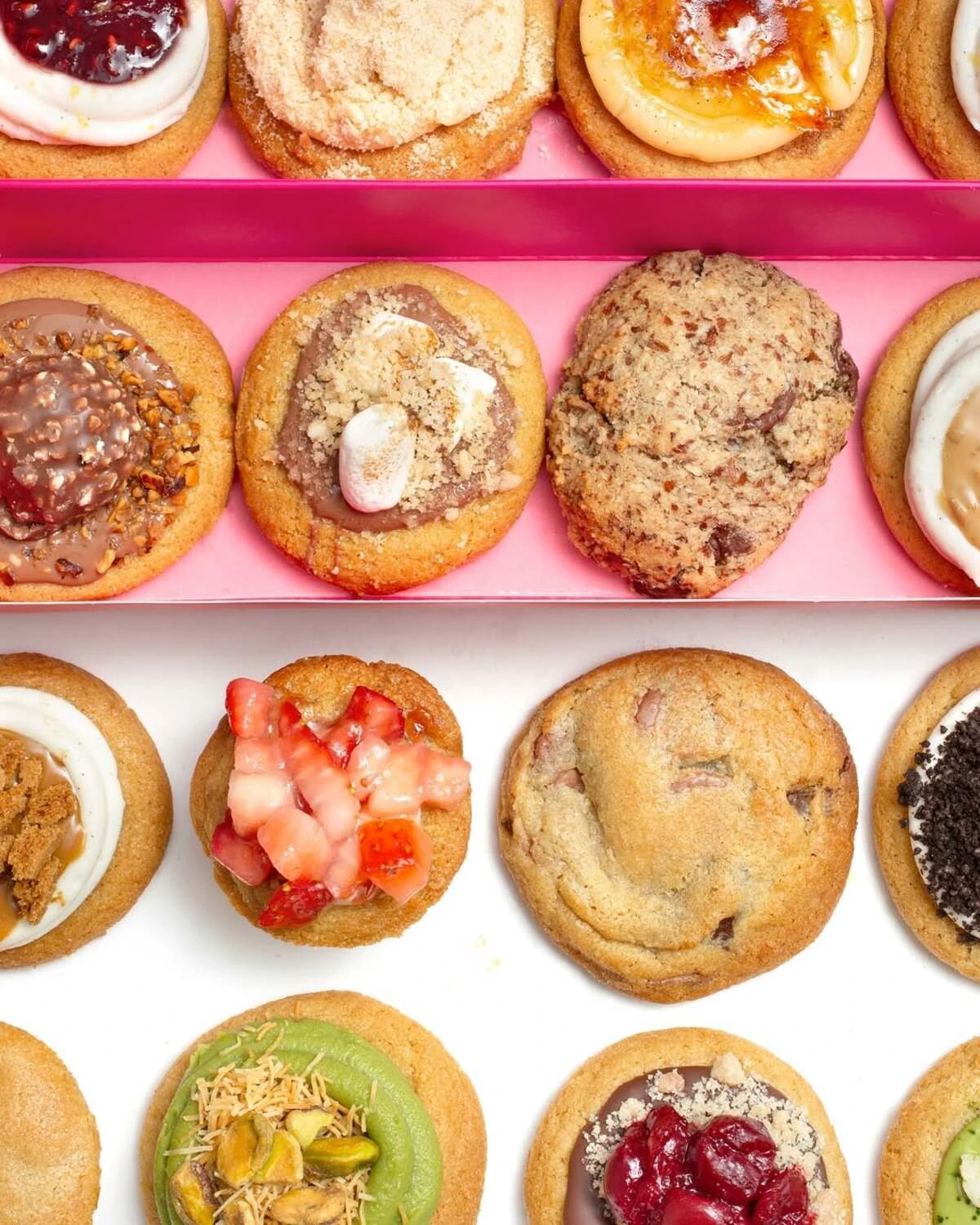
That's what makes Junior Cookies in West Hollywood such an interesting business to study.
Because while the company sells cookies, the reason customers reach for one can be much bigger than a craving for chocolate chips.
Sometimes the real purchase is a little moment of happiness.
And there's money in understanding that difference.
Nobody Writes "Emotional Recovery" on Their Grocery List
Think about the things we buy after a long day.
A fancy coffee.
Fresh flowers.
A beautiful candle.
A favorite dessert.
None of these purchases necessarily solves whatever happened at work that afternoon.
Your email inbox will still be there tomorrow.
Unfortunately.
But a little treat gives you something enjoyable in the middle of everything else.
And sometimes that's enough.
Now imagine running a business where you understand exactly what customers are thinking right before they buy.
Not just what they're buying.
Why they're reaching for it at that particular moment.
That information is incredibly useful.
The Customer Isn't Always Shopping for the Product
Let's say someone buys a cookie after a difficult meeting.
Another person buys six for a birthday.
Someone else picks up a box because they're visiting a friend.
Same product category.
Three completely different buying occasions.
The first customer wants a treat.
The second wants to celebrate.
The third wants to show up with something thoughtful.
If your marketing only talks about ingredients, you're missing a large part of the conversation.
Yes, people care whether the cookies taste good.
Of course they do.
But what brings them through the door today rather than next Thursday?
That may have everything to do with what is happening in their lives.
The Most Valuable Sentence Might Be the One Customers Say to Themselves
Here's an exercise I'd love every founder to try.
Complete this sentence from your customer's perspective:
"I'm buying this because..."
And don't stop at the obvious answer.
"I'm buying this because I'm hungry."
Fine.
Keep going.
"I'm buying this because I've had quite a day and deserve something nice."
Now we're getting somewhere.
That second answer tells you something about the customer's motivation.
You could use that insight to shape an offer, a campaign, a product description, or a new buying occasion.
A beauty brand might discover that customers are buying confidence before an important event.
A furniture company might discover that customers are buying a home they're proud to invite people into.
A consultant might discover that clients are buying relief from a problem that has been keeping them awake.
Different industries.
Same question.
What's really happening in the customer's life when they reach for your business?
Repeat Purchases Often Begin With Repeat Situations
Here's another interesting thing.
People don't necessarily need a complicated loyalty program to become repeat customers.
Sometimes their lives keep giving them a reason to come back.
A birthday comes around.
A friend gets promoted.
It's Friday afternoon.
Someone survives a meeting that should have been an email.
And suddenly, a familiar little treat sounds like an excellent idea.
When a business becomes associated with a recurring occasion or feeling, customers have a natural reason to remember it.
That doesn't mean every emotional purchase automatically becomes a habit.
But it gives the business something valuable to understand.
The situations that trigger demand.
Here's Where I'd Pay Attention If I Were a Founder
1. Ask what happened immediately before the purchase.
Not just why people like your product.
What brought them to you today?
The answer might reveal buying occasions you haven't been marketing to.
2. Listen to the sentences customers use.
"I needed a little pick-me-up."
"I wanted something special."
"I finally decided to treat myself."
That language can be far more useful than a polished marketing slogan written in a conference room.
3. Build around recurring moments.
What happens regularly in your customer's life that makes your product relevant?
Celebrations?
Stressful workweeks?
Family gatherings?
Seasonal changes?
Those moments can shape campaigns, reminders, and product bundles.
4. Make coming back feel worthwhile.
A customer might arrive because of an emotion.
But the product and experience need to give them a reason to return.
Quality still matters.
Convenience matters.
And so does the feeling they leave with.
Now, About Your Business...
Here's something worth thinking about.
What is your customer saying to themselves five minutes before they decide to buy?
Not what your marketing department hopes they're thinking.
What are they actually thinking?
Because that little sentence might tell you more about your next sale than twenty pages of product specifications.
Junior Cookies sells cookies.
But the business reminds me that what appears on a receipt doesn't always explain the entire purchase.
And somewhere in West Hollywood, somebody is probably ordering dessert because they survived another day of being an adult.
At this point, I think that's a perfectly respectable reason.