
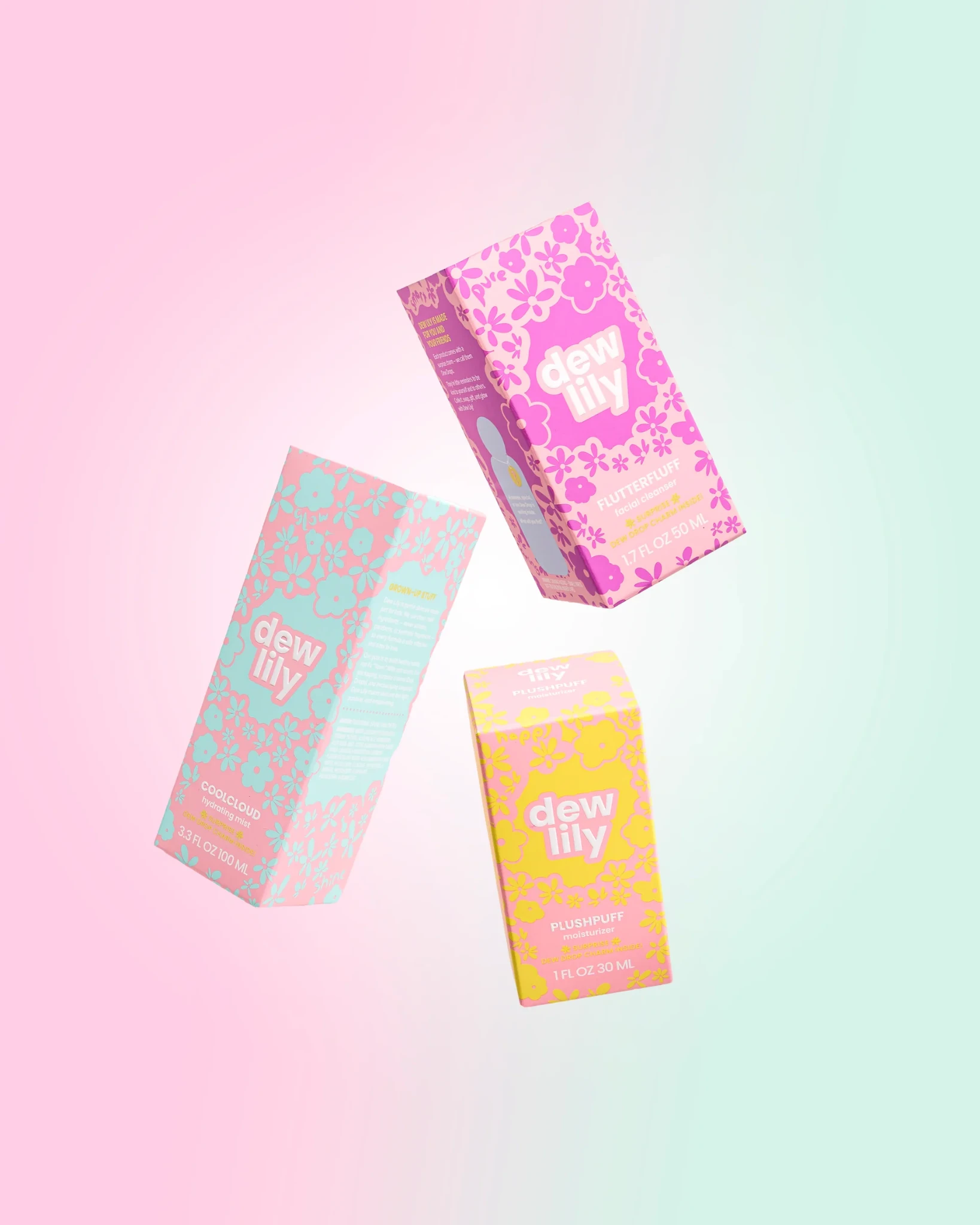
Somebody figured out how to make children's skincare feel a little like collecting friendship bracelets.
And I think that's very clever.
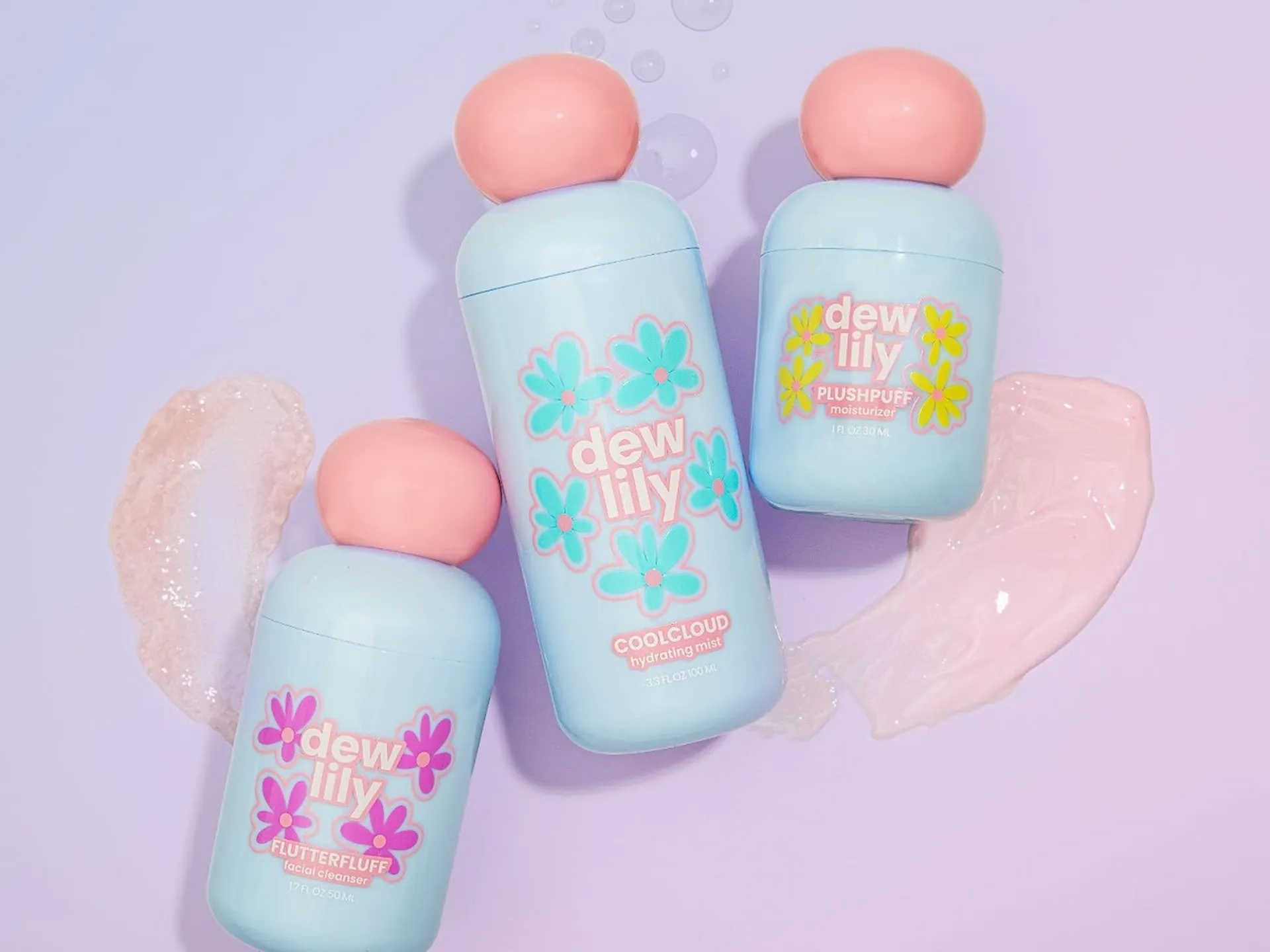
Meet Dew Lily.
A skincare brand created by mom and founder Jen Quinn for kids in that interesting stage between childhood and the teenage years.
Old enough to want their own skincare products.
Young enough that the words "collectible surprise" can still get their undivided attention.
And here's the part I love.
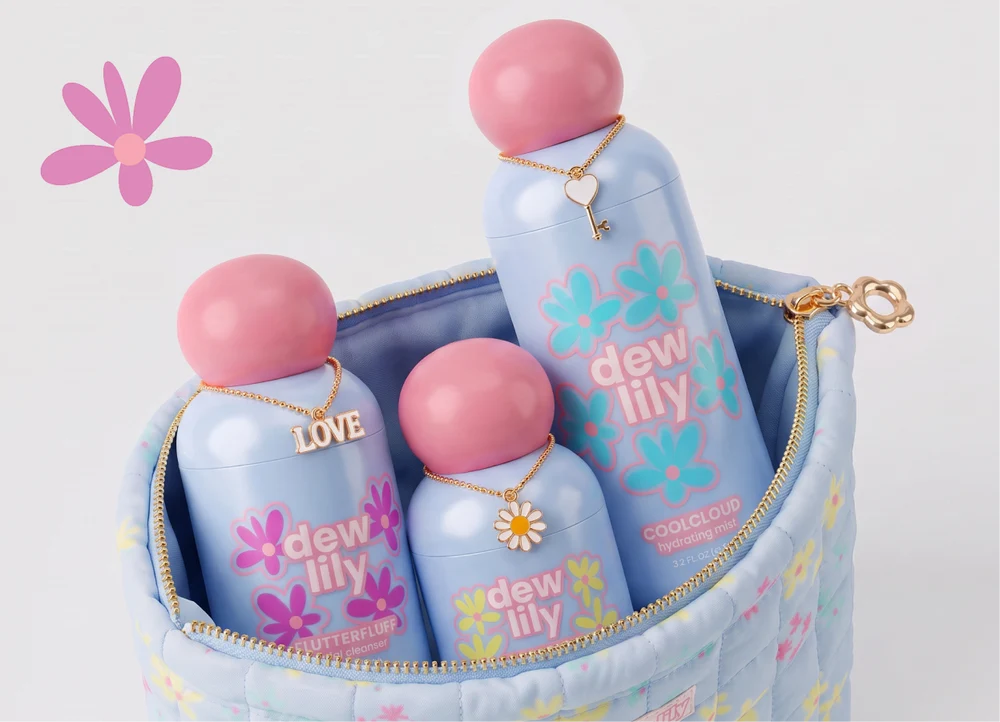
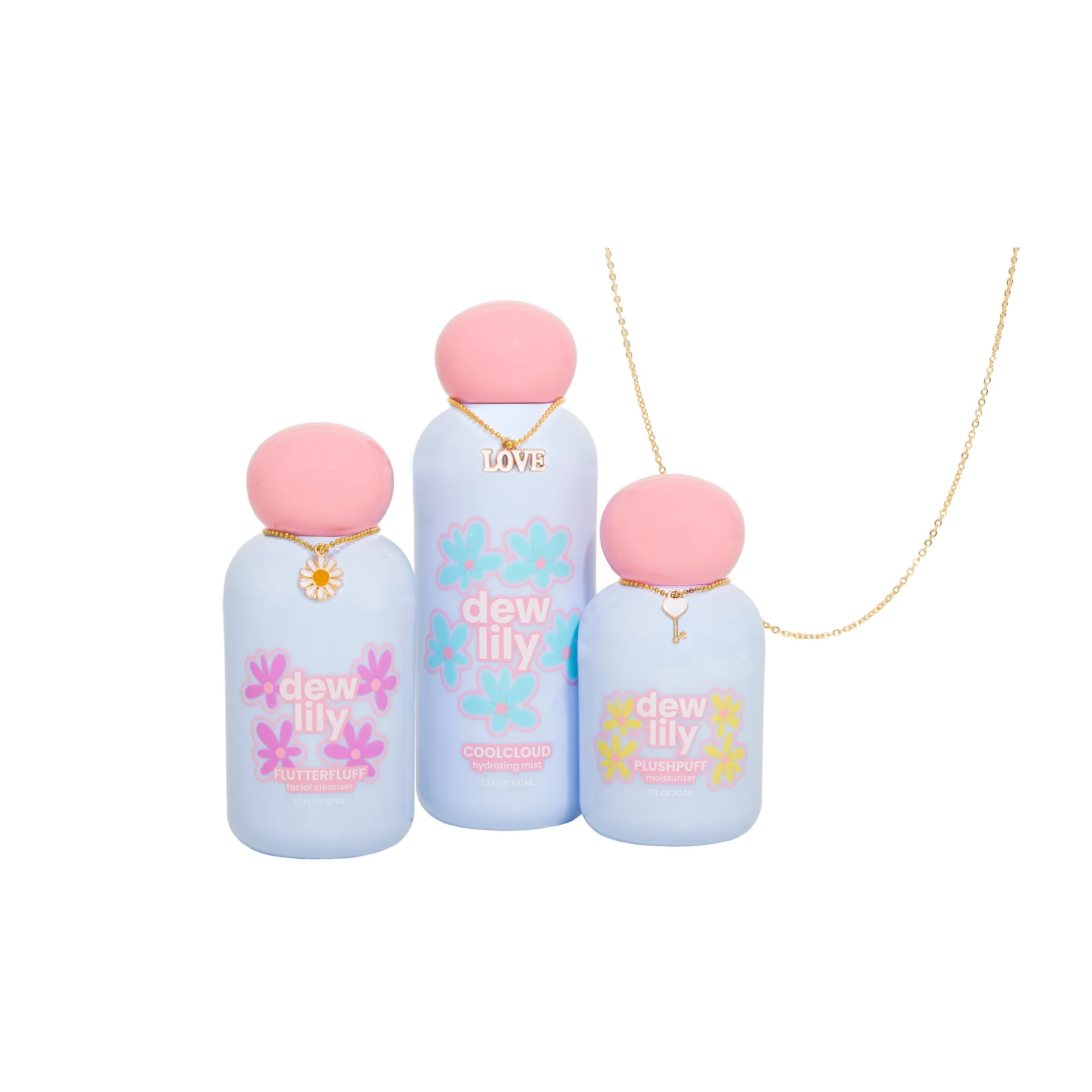
Every Dew Lily product includes a collectible Dew Drop charm.
Not just a cleanser.
Not just a moisturizer.
A little something to collect, swap, and show your friends.
Now THAT is an interesting way to think about skincare.
The Customer and the Person Paying Aren't Always the Same Person
Think about a parent shopping for skincare for a nine-year-old.
The parent probably has questions.
Is this appropriate for my child's skin?
Are the ingredients suitable?
Does my child actually need all these products?
Will this become another bathroom counter takeover?
Meanwhile, the child is thinking:
"LOOK AT THE LITTLE CHARM!"
Two people.
Two completely different reasons to be interested.
And both can influence whether the product ends up in the shopping cart.
Dew Lily understood that the person using the product and the person approving the purchase might need very different things.
The parent needs confidence in the product.
The child needs a reason to be excited about using it.
And that's where the branding gets interesting.
That Little Charm Is Doing a Lot of Work
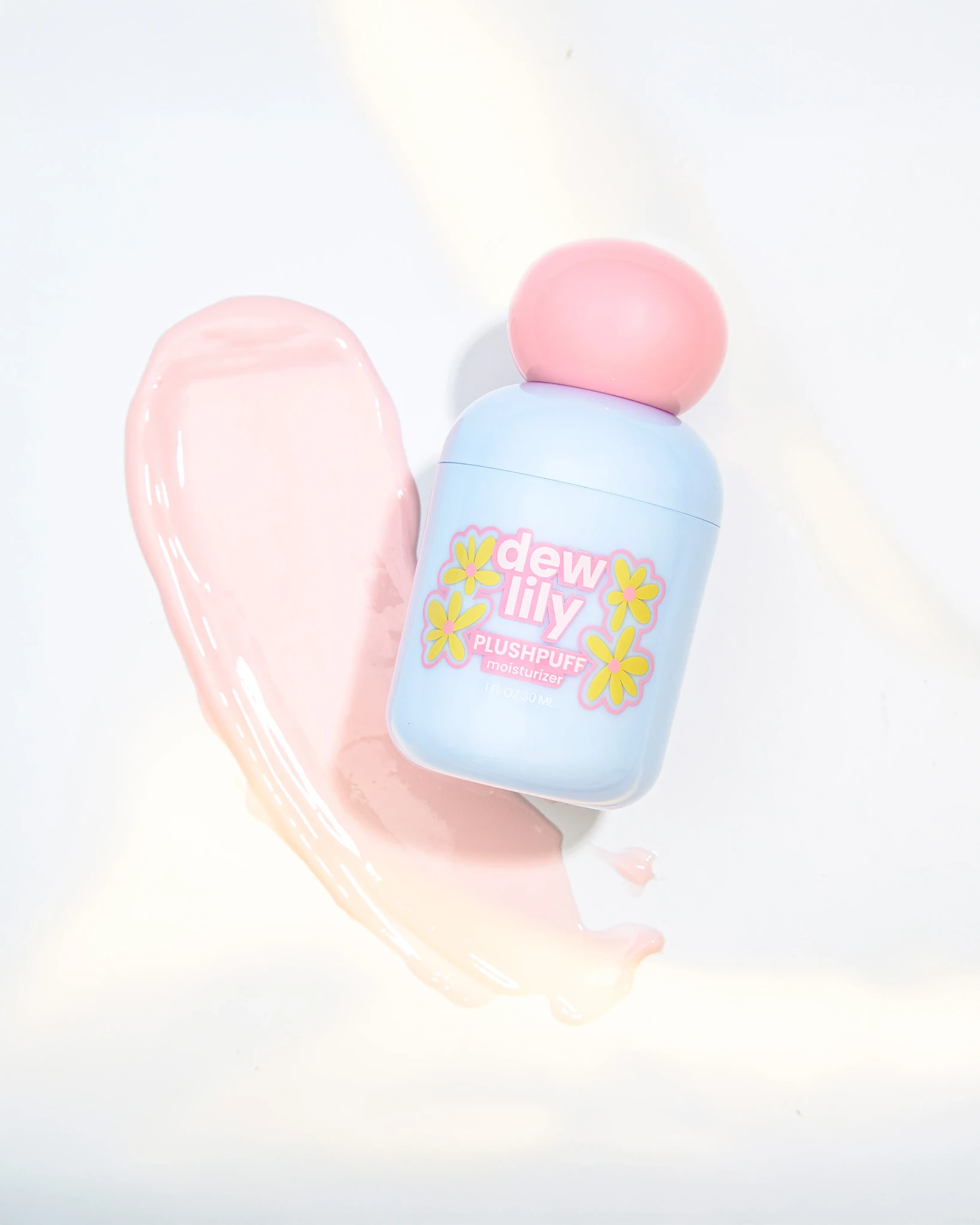
Dew Lily offers a simple skincare collection with playful product names like Flutterfluff, Coolcloud, and Plushpuff.
Already, those sound considerably more inviting to a child than a bathroom cabinet full of clinical product names.
But the collectible charms add something beyond the skincare.
A surprise.
A little excitement when opening the package.
Something to compare with friends.
Something to keep after the bottle is empty.
Now imagine two children talking.
"What skincare are you using?"
That's one conversation.
"Which Dew Drop did you get?"
That's a completely different conversation.
And I suspect the second one is a lot more interesting to a nine-year-old.
The product has given children something social to talk about.
Not just something functional to use.
That's an important distinction.
The Brand Found the Space Between Two Audiences
Jen Quinn developed Dew Lily after watching her daughters become interested in skincare, borrowing her products, packing favorites for sleepovers, and sharing them with friends.
She also wanted products designed specifically for younger skin.
So instead of creating another adult skincare line and putting pastel packaging on it, she built something intended for children.
But she didn't ignore the parent.
The brand emphasizes gentle, age-appropriate skincare and positive messages about kindness and self-confidence.
That's the part founders should pay attention to.
Dew Lily is speaking to two audiences without expecting them to care about exactly the same things.
One is thinking about responsible skincare.
The other is thinking about a fun little surprise.
And the brand has created an experience where both interests can exist together.
The Product Doesn't Have to Carry the Whole Relationship
Here's another interesting thing about that collectible charm.
The skincare will eventually run out.
That's what skincare does.
But the charm can remain.
Maybe a child keeps it.
Maybe they wear it.
Maybe they swap it with a friend.
Either way, the brand has created something that can continue to be enjoyed after the product itself is finished.
It also gives children something to anticipate the next time they receive a product.
And anticipation is a powerful part of the customer experience.
Think about how many adults enjoy opening a beautifully packaged purchase.
Or collecting limited-edition products.
Or receiving something unexpected in an order.
Children understand that excitement, too.
Dew Lily simply built it into the product experience.
Here's Where I'd Pay Attention If I Were a Founder
1. Identify everyone who influences the purchase.
The person using your product may not be the person paying for it.
Think about children's products, corporate software, medical services, education, and even luxury gifts.
Who needs to approve the purchase?
Who needs to enjoy the product?
What matters to each of them?
2. Give the user something to love.
A product can meet every practical requirement and still be completely uninteresting to the person expected to use it.
What could make the experience more enjoyable?
More personal?
More memorable?
3. Create something customers can share.
A collectible charm gives children a reason to talk to friends about the brand.
What could your business create that naturally starts a conversation?
It doesn't have to be an object.
It could be an experience, a personal milestone, a useful insight, or a thoughtful surprise.
4. Remember that small details can carry big ideas.
The charm is physically tiny.
But it represents a much bigger decision about how customers should feel when they interact with the brand.
That's thoughtful product development.
Now, About Your Business...
Here's a question worth asking.
Are you designing your customer experience only for the person who pays?
Or are you also thinking about the person who actually has to use what you're selling?
Because those aren't always the same person.
And sometimes the difference between a product people tolerate and one they genuinely look forward to using comes down to understanding both.
Dew Lily didn't just put skincare in colorful bottles.
It created an experience that children can enjoy and parents can evaluate on their own terms.
And all because somebody realized a little collectible charm could make a very ordinary routine feel a lot more interesting.
Although now I'm wondering why my insurance company hasn't started sending collectible charms.
I've been paying them for years.
The least they could do is send me a little gold-plated deductible.