
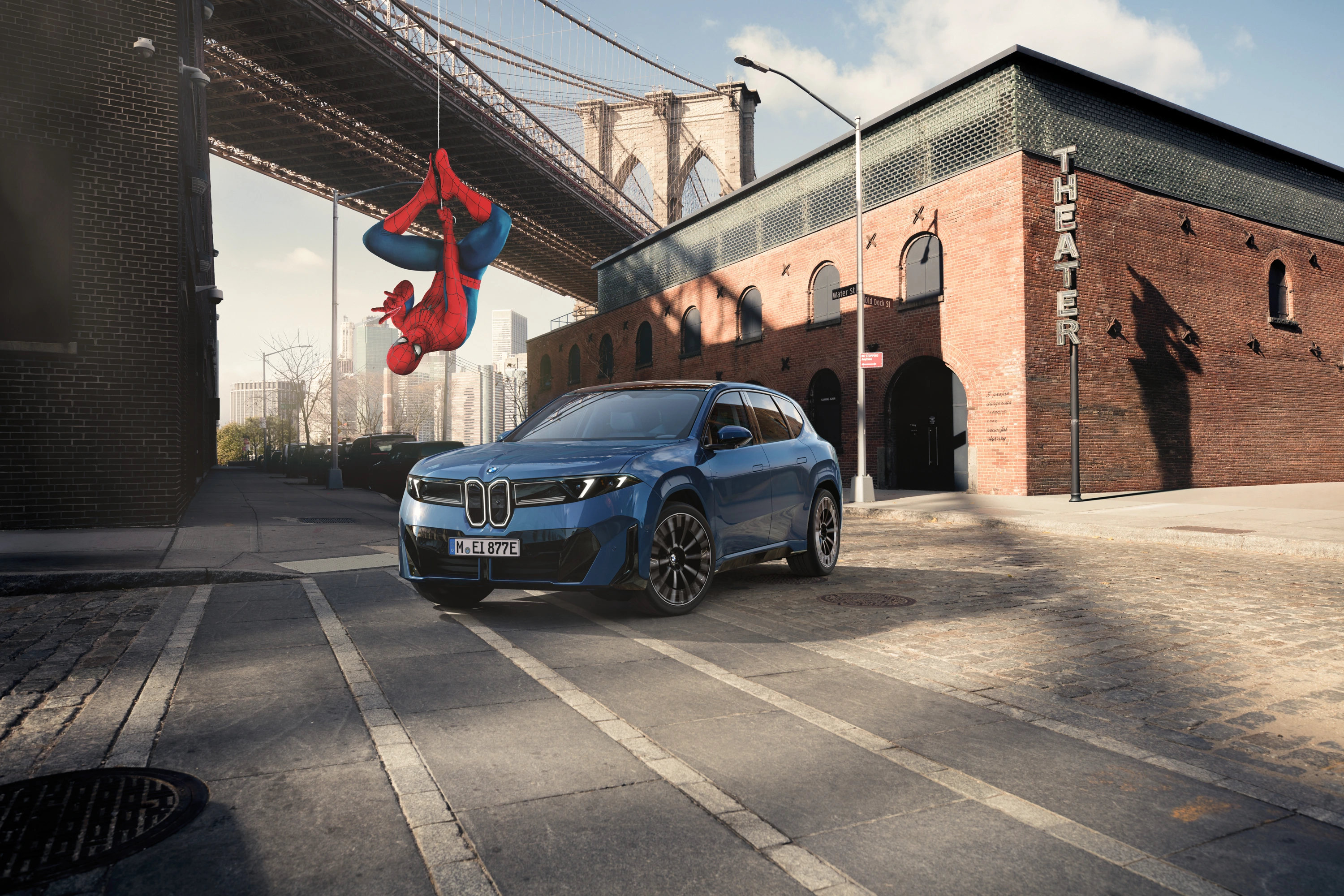
BMW put Spider-Man on its dashboards.
Not a little Spider-Man toy.
An actual themed digital animation appearing through the car's infotainment system.
And the internet immediately found a way to make it about BMW drivers not using their turn signals.
Naturally.
Apparently, Spider-Man can swing between skyscrapers, fight villains, and save entire cities.
But convincing some people to indicate before changing lanes remains outside his abilities.
And underneath that joke is a very interesting lesson about brand reputation.
You Can Choose the Campaign. You Can't Choose the Punchline.
In the summer of 2026, BMW introduced a Spider-Man: Brand New Day experience through its in-car Festive App.
Eligible vehicles received a themed notification, and drivers could activate an animation featuring Spider-Man, accompanied by music and the car's ambient lighting.
BMW described it as an optional entertainment feature connected to its partnership with the film.
But some customers weren't delighted.
They saw a movie promotion appearing on the dashboard of a premium vehicle they'd already purchased.
And that raised questions about where brand experiences end and unwanted marketing begins.
Meanwhile, other people were busy making jokes about BMW drivers.
Because, of course, they were.
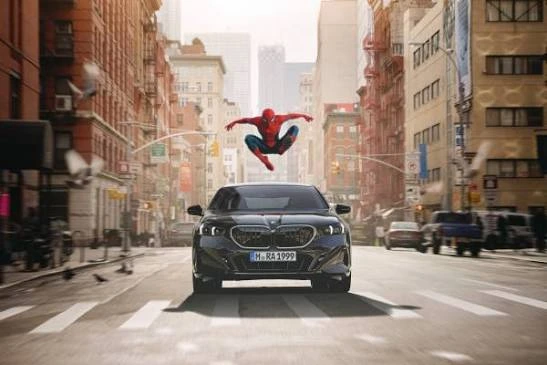
The Internet Has a Personality File on Your Brand
Here's something every business owner should understand.
You can spend months deciding what you want your brand to communicate.
You can choose the photography.
Approve the campaign.
Rewrite the headline seventeen times.
Agree on the exact shade of blue everybody is supposed to associate with you.
And then you launch.
At which point, the public gets a turn.
And sometimes the public has an entirely different idea of what your brand represents.
BMW has spent decades building an identity around driving performance, engineering, and premium automobiles.
But online, there's also a running joke about BMW drivers and turn signals.
Both associations can exist in people's minds.
And when the company launches something new, those associations can influence how people respond.
That's the part marketers can't completely control.
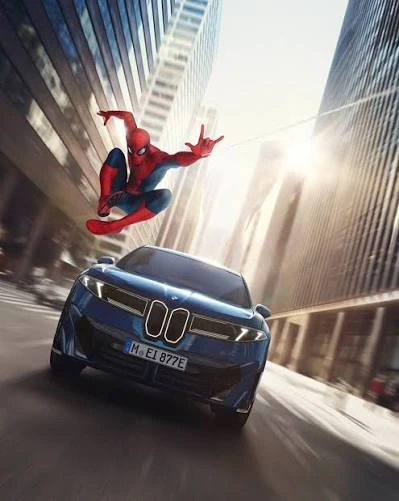
Reputation Arrives Before Your Campaign Does
Imagine introducing a new feature to customers.
You think you're giving them an entertaining surprise.
Some customers interpret it as another advertisement.
Others immediately associate it with something they already dislike about the brand.
And suddenly the conversation has moved somewhere you never intended.
This is why brand reputation matters beyond your official messaging.
Customers don't encounter a campaign with empty minds.
They bring their experiences.
Their opinions.
Their frustrations.
Their favorite jokes.
And sometimes whatever their cousin said at Thanksgiving three years ago.
Every new campaign enters that existing conversation.

There's Another Lesson Here: Don't Surprise People in the Wrong Place
BMW's Spider-Man experience also raises an interesting question about customer expectations.
There are places where people welcome entertainment.
And places where they don't necessarily want another brand entering the conversation.
A customer's car is a particularly personal space.
When somebody spends serious money on a premium product, they may have strong feelings about what should appear on its screen.
Even an optional animation can feel unwelcome if the notification arrives unexpectedly.
And that's worth thinking about beyond automobiles.
An unsolicited message in a customer's inbox.
A surprise advertisement inside paid software.
A promotional notification from a product that was previously quiet.
The idea might be clever.
The partnership might be impressive.
But is the experience appropriate for the moment?
That's a separate question.
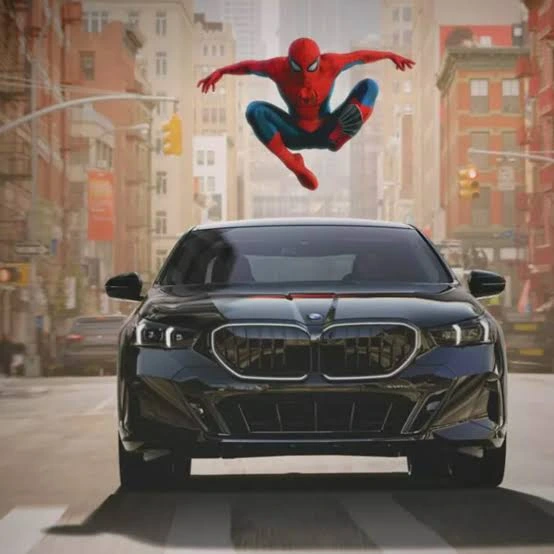
Here's Where I'd Pay Attention If I Were a Founder
1. Find out what people say when you're not in the room.
Not just the testimonials on your website.
The actual conversations.
What do people associate with your company?
What jokes do they make?
What frustrations keep coming up?
2. Understand the difference between attention and welcome attention.
Getting noticed isn't automatically the same as making customers happy.
Consider where and when your message appears.
3. Don't assume your intended message will be the received message.
A brand might intend to communicate excitement.
Customers might interpret inconvenience.
The distance between those two things is where reputation problems often begin.
4. Pay attention when customers keep making the same joke.
Sometimes humor points to an association that's deeply embedded in public perception.
You don't have to build your entire strategy around a joke.
But understanding why it persists can be useful.
Now, About Your Business...
Here's a question.
If the internet decided to do an impression of your brand, what would it say?
One sentence.
One behavior.
One joke.
Would people recognize you immediately?
And would you be happy with the impression?
Because the brand people actually carry around in their heads can be very different from the one sitting in your marketing guidelines.
BMW has a powerful identity.
It also has a public personality people enjoy impersonating.
Unfortunately, that personality occasionally changes lanes without indicating.
And I have a feeling Spider-Man isn't fixing that anytime soon.