
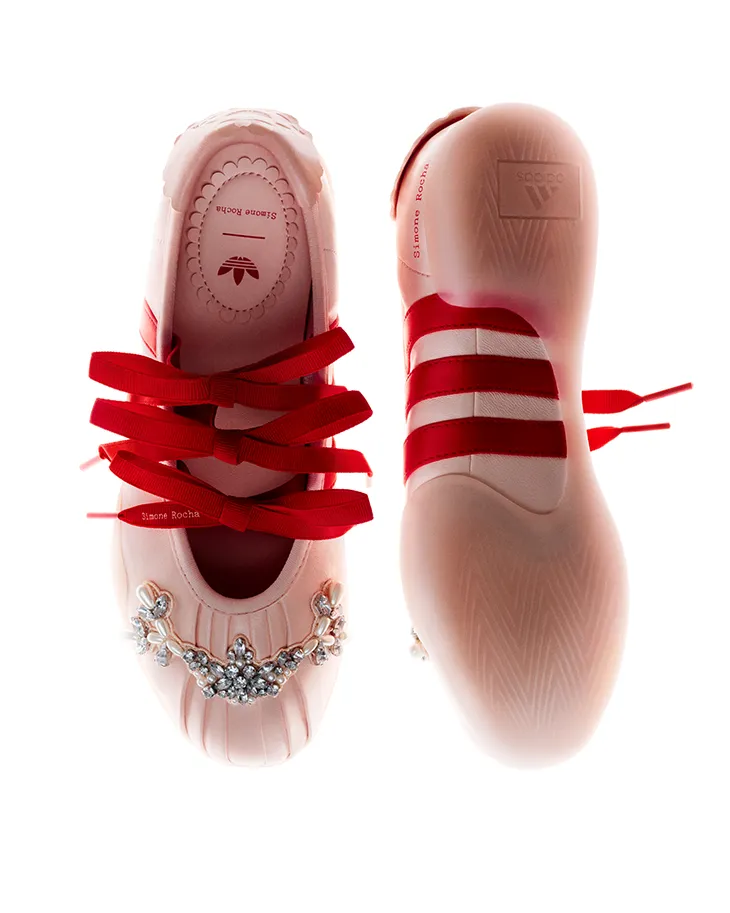
I wasn't shopping for sneakers.
Had no plans to buy sneakers.
Didn't wake up thinking my shoe collection needed another member.
And then I saw the Adidas × Simone Rocha collaboration.
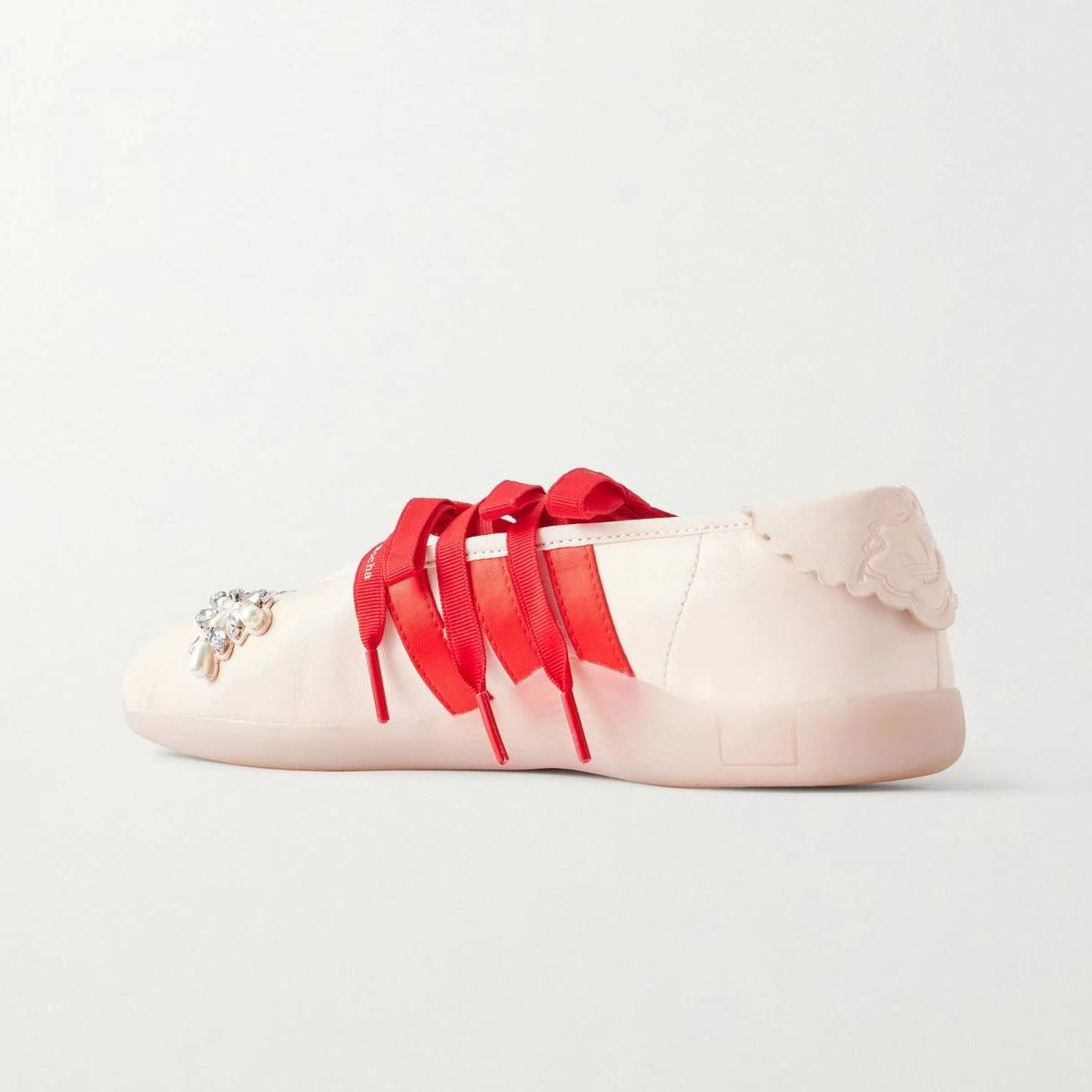
Pink sneakers.
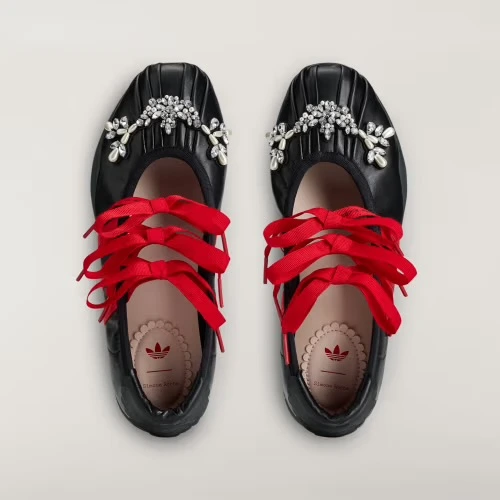
Red ribbon laces.
Delicate embellishments.
Little details that look like they wandered out of a beautiful fashion editorial and landed on a pair of athletic shoes.
And suddenly, I have concerns about my financial priorities.
Because apparently, I don't need sneakers.
I need red ribbons.
And there's a very interesting business lesson hiding in that distinction.
Nobody Had to Convince Me That Sneakers Are Useful
Let's start with the obvious.
We already know what sneakers do.
They're comfortable.
They're practical.
They protect your feet.
Depending on the design, they're suitable for walking, running, or spending six hours pretending you're only going into the mall for one thing.
None of that is particularly surprising.
Adidas has been making athletic footwear for generations.
But its collaboration with designer Simone Rocha takes familiar sportswear and gives it an entirely different personality.
Ribbons.
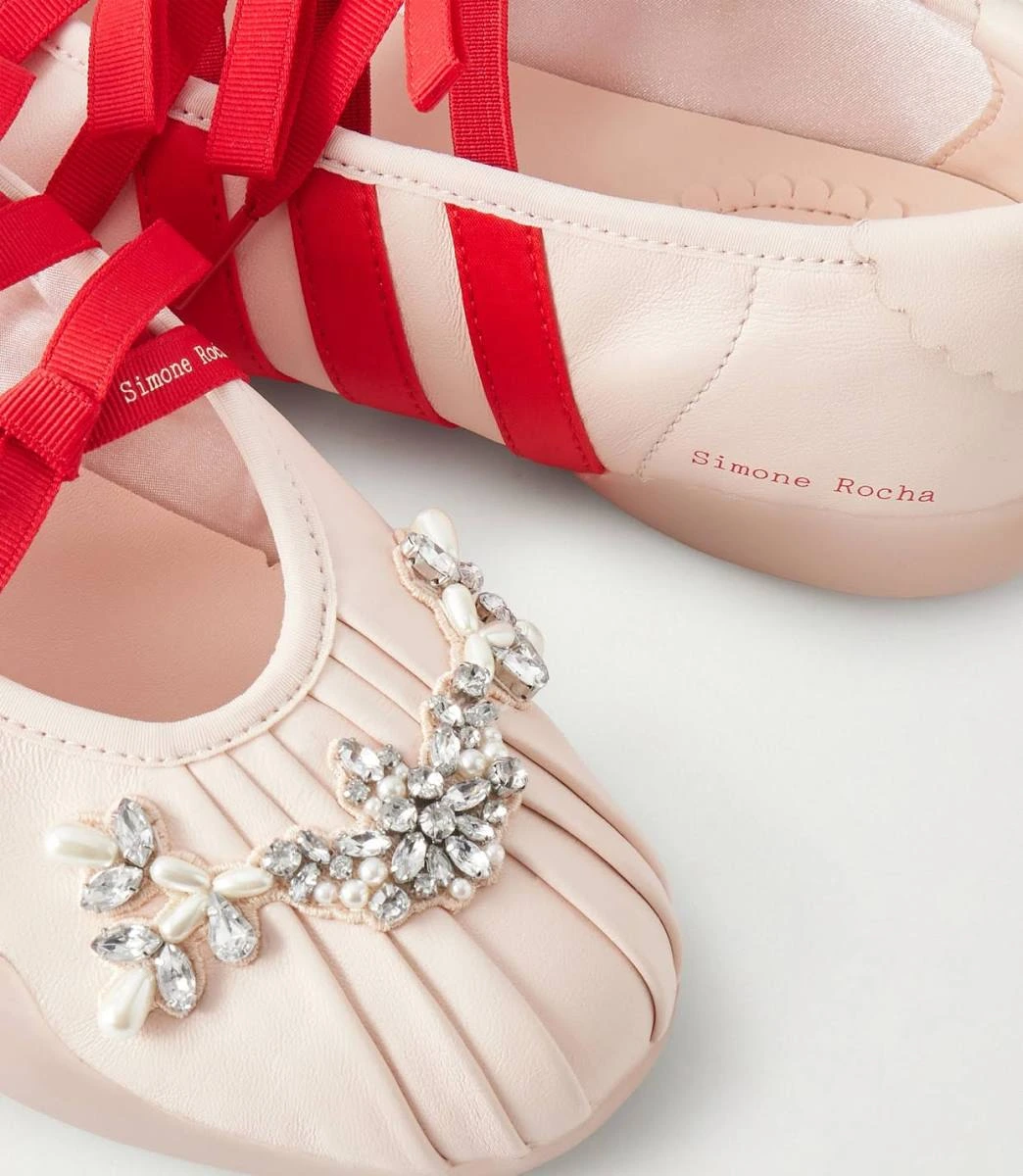
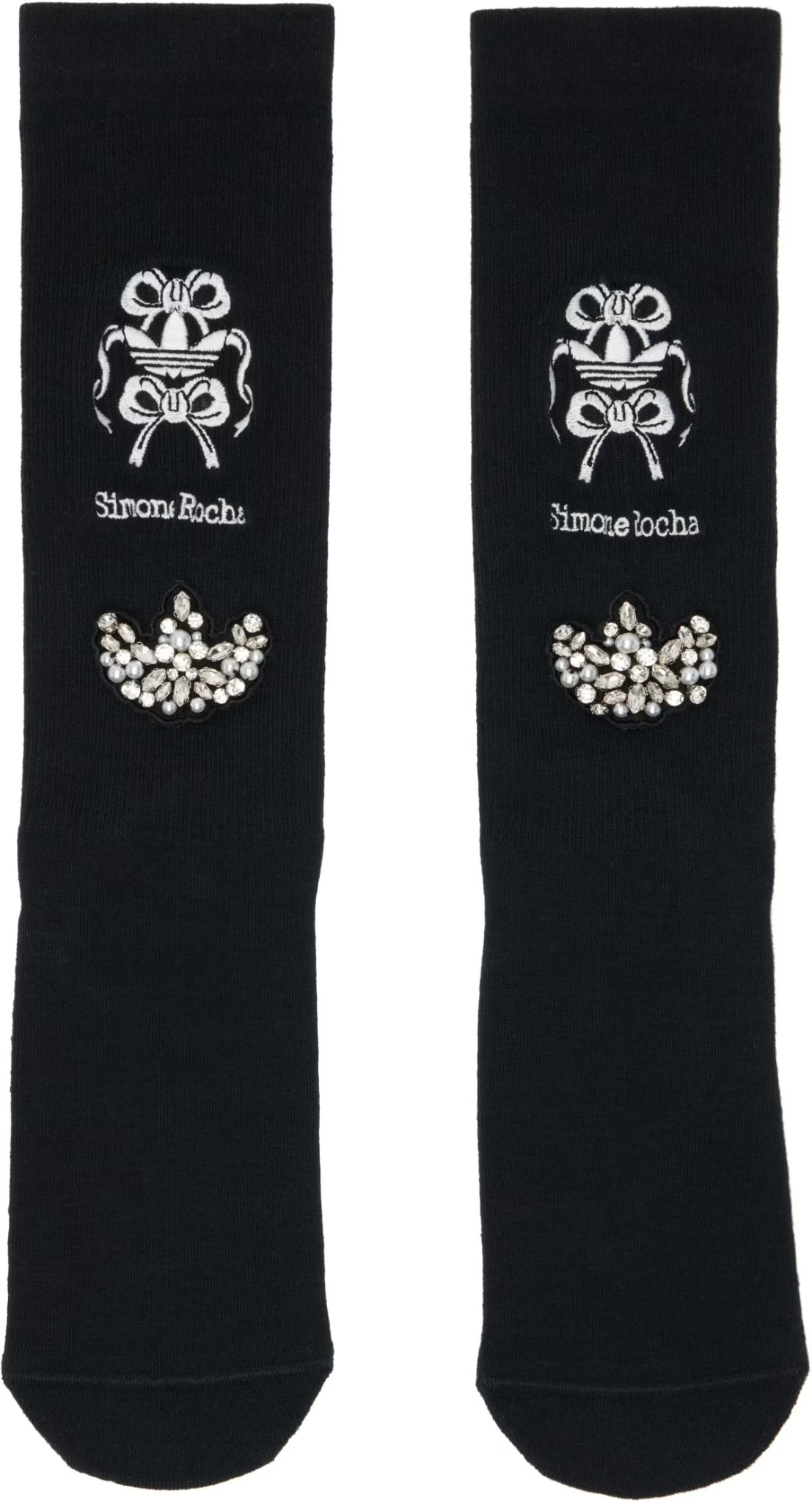
Pearl-inspired details.
Diamanté embellishments.
Ballet references.
The kind of decorative elements you wouldn't ordinarily associate with performance footwear.
And that's why the collection is so interesting.
It gives people a reason to want something they already understand.
The Ribbons Are Doing More Than Holding the Shoes Together
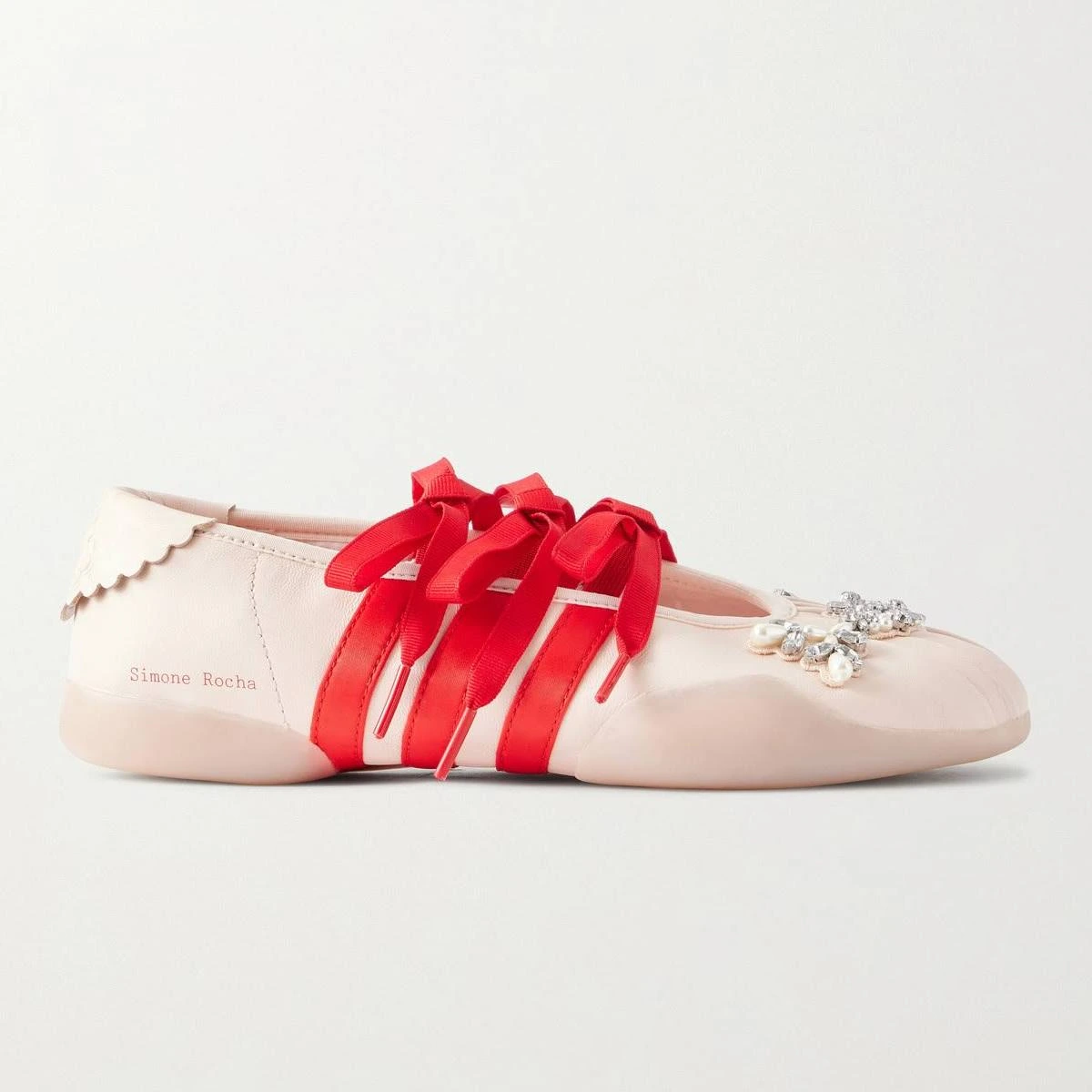
Look at the sneakers.
The red ribbons aren't simply there to perform the same function as ordinary shoelaces.
They're part of the appeal.
They're what caught my attention.
And I'd be willing to bet I'm not the only person who noticed the decorative details before thinking about the technical features of the shoes.
That distinction matters.
Because companies sometimes spend enormous amounts of money promoting benefits that aren't necessarily the deciding factor in a purchase.
Imagine trying to sell me these particular sneakers by telling me they're durable.
Wonderful.
I would certainly hope so.
But that's not why I stopped scrolling.
I stopped because of the design.
And if somebody had removed the ribbons, pearls, and unusual details in an attempt to make the shoes more practical, they might have removed the exact things that made me want them.
Now THAT is a mistake worth avoiding.
Sometimes the Detail Is the Product
Here's what I find fascinating about designer collaborations.
You're often starting with something that already exists.
A shoe.
A jacket.
A handbag.
A familiar product with a familiar purpose.
But a designer can change how customers perceive it by reinterpreting its shape, materials, styling, and details.
Simone Rocha's fashion identity is associated with romantic, feminine design.
Adidas brings its athletic heritage and recognizable silhouettes.
Put them together, and you get something that doesn't feel entirely like either brand on its own.
And that's where the collaboration becomes interesting.
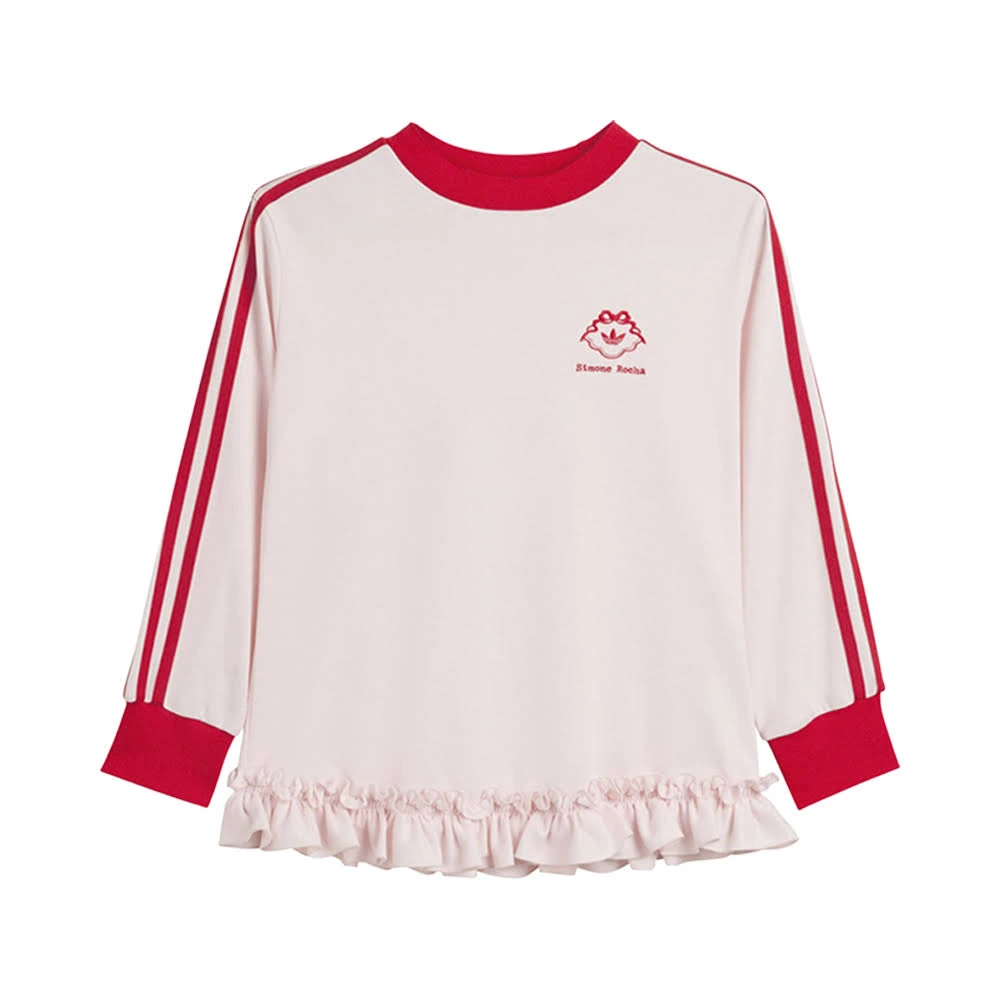
The customer isn't necessarily buying another pair of sneakers because their old ones stopped working.
They may be buying a particular expression of personal style.
Something that feels special.
Something that makes a familiar product feel new again.
You don't need to change the fundamental purpose of a product to change its desirability.
Sometimes you need to understand what people find beautiful, interesting, or personally meaningful.
Your Customers Might Be Buying Something Different From What You're Selling
This is where I'd really pay attention if I were running a business.
Let's say you sell premium furniture.
Your website talks about construction, fabric quality, and durability.
All valuable.
But what if your customers are choosing you because your furniture makes their homes feel like the places they've always wanted to live?
Or you're a consultant.
Your website talks about your process, deliverables, and years of experience.
But your clients might be hiring you because they want the relief of having somebody capable take a complicated problem off their shoulders.
Or you sell a beautiful planner.
You talk about paper quality and layout.
But customers might be buying the feeling of finally getting their lives organized.
See the difference?
The functional benefit is important.
But it may not be the thing that wins the sale.
And if you don't understand that distinction, you could end up spending money advertising the wrong benefit.
Here's Where I'd Pay Attention If I Were a Founder
1. Ask customers why they chose you.
Not why you think they chose you.
Why they actually did.
Ask recent buyers:
"What nearly stopped you from purchasing?"
"What made you choose us anyway?"
"What stood out compared with the other options?"
You might discover that your strongest selling point isn't the one you've been advertising.
2. Find out which details people love.
Sometimes businesses remove unusual features because they assume customers won't care.
But what if those features are exactly why people buy?
The unusual color.
The decorative finish.
The personal service.
The beautifully designed packaging.
Before removing something, find out whether customers consider it a distraction or the main attraction.
3. Don't confuse function with motivation.
A customer might need a laptop.
But why did they choose that particular laptop?
They might need a handbag.
But why that particular handbag?
They might need a consultant.
But why you?
The answer can tell you much more about your competitive advantage than a list of product specifications.
4. Pay attention to what makes people happily pay more.
Customers don't always choose the cheapest product that performs the required function.
Sometimes they're willing to pay more for design, craftsmanship, emotional appeal, convenience, exclusivity, or an experience they particularly enjoy.
The important part is understanding which of those things your customers actually value.
Because that's where stronger positioning can begin.
Now, About Your Business...
Here's a little exercise.
Take your last ten customers.
Imagine asking each one two questions.
"What almost stopped you from buying?"
And:
"What made you choose us anyway?"
Now compare their answers with your website.
Are you answering the hesitation that nearly cost you the sale?
Are you showing the detail that actually won the purchase?
Or are you talking about features customers already expect every competitor to provide?
Because you might already have a stronger selling point than the one you're paying to advertise.
And before you remove something because a few customers don't like it, check whether other customers are choosing you precisely because of it.
The pearls could be somebody's objection.
And somebody else's reason to buy.
Adidas and Simone Rocha reminded me of something important.
What makes a product useful and what makes somebody want that particular product can be two very different things.
And apparently, in my case, the difference is a pair of red ribbons.
Now I'm curious.
What's one thing you happily paid more for, even though a perfectly practical alternative was sitting right next to it?
Because I have a feeling we've all made that purchase.
Some of us are just more willing to admit it.